


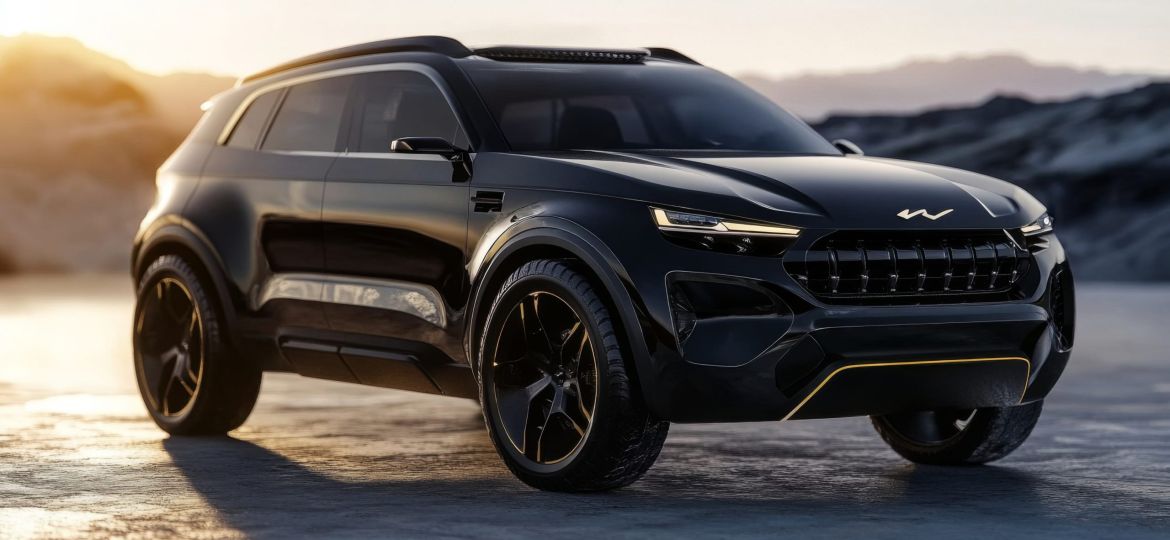
The gravitational pull of the C-SUV segment is so powerful that it’s almost easier to name the automakers that aren’t participating in the market than those that are. The Dacia Bigster is the latest addition to this growing field, and it’s entering the fray with impressive ambition. With the likes of the Ford Kuga, Skoda Kodiaq, Nissan Qashqai, Kia Sportage, VW Tiguan, and Hyundai Tucson dominating the landscape, it’s no surprise that Dacia is stepping up with its own offering.
For many years, the C-SUV class has been fueling the success of carmakers, offering a winning combination of space, practicality, and affordability without the bulk of larger models. The Bigster, while having a somewhat quirky name, proves that Dacia is ready to play with the big players. This Romanian brand, now under Renault’s ownership, has been on a roll in recent years, offering fantastic value with a splash of style and sophistication. Last year, the Sandero hatchback soared to the top of Europe’s best-selling car list, with the Duster—its compact crossover sibling—also making waves in the top 10.
Now, the Bigster promises to carry Dacia’s winning streak forward, offering a stylish, budget-friendly SUV that doesn’t exceed, even at its top-spec variants.
Striking Design, Practical Size
When it comes to design, the Bigster effortlessly scales up from the Duster’s familiar looks. While the Duster’s retro-inspired lines are still present, the Bigster’s larger size introduces new features without being excessively bulky. The wheelbase has grown by 45mm, offering more rear legroom, while a longer rear overhang contributes to an impressive 677 liters of boot capacity (or 612 liters for the full hybrid model). Despite the extra space, the Bigster isn’t wider than the Duster, meaning it should handle just as easily on narrow roads.
Powertrain Choices for Every Driver
The engine lineup for the Bigster mirrors the Duster’s, but with an added emphasis on hybrid technology. The model we tested was the front-drive Hybrid 155, which combines a 1.8-litre four-cylinder engine with two electric motors to deliver a total of 153bhp—making it the most powerful road car in Dacia’s history. There’s also a mild-hybrid version that pairs a 1.2-litre three-cylinder turbo engine with a 48V electrical system, generating 138bhp, with the option to trade a bit of power for a four-wheel-drive version.
Despite its solid performance on paper, the Bigster remains light, tipping the scales at less than 1,500kg. It’s a notable advantage in a segment where other competitors tend to weigh significantly more.
Interior and Comfort: Practical Yet Stylish
Inside, Dacia’s focus on delivering value doesn’t sacrifice comfort. There’s plenty of legroom in the rear, and the front seats, while not the most luxurious, offer a comfortable driving experience. The dashboard, revamped during Dacia’s 2021 overhaul, now boasts a sophisticated mix of textures, with clear and functional displays. The Bigster offers a modern, clean interior that doesn’t feel like it’s been stripped to the bare minimum, even though it’s still a budget-friendly option.
Dacia has also paid attention to the demands of the market, especially the German consumer. The Bigster offers features like two-zone air conditioning, heated seats, and a powered tailgate, all making their debut for the brand. The infotainment system comes with a 10.1-inch central touchscreen, while a panoramic roof option adds an extra layer of luxury.
Driving Dynamics: More Than Just Practical
While the Bigster isn’t designed to thrill with sharp performance, it handles quite well, offering a confident and smooth ride. The steering is direct, and while it’s not the most agile SUV, it’s composed and easy to maneuver. The hybrid powertrain delivers smooth acceleration, particularly during low-speed, electric-only driving moments, though you might feel some roughness when pushing the engine harder.
The Bigster’s suspension absorbs most road imperfections, but the ride is a little stiff on rougher surfaces, especially with the larger 19-inch wheels. Still, it’s a car that makes the most of its design, balancing comfort and practicality for everyday driving.
The Bigster: A Value Game-Changer
Where the Bigster truly shines is in its value proposition. Prices start at just a few for the mild-hybrid 140 model in Expression trim, which still comes equipped with plenty of useful features like air conditioning, rear parking sensors, and a 10.1-inch touchscreen. As you move up the trims, the Bigster can be further equipped with premium features like a powered tailgate, wireless phone charging, and adaptive cruise control, all while keeping the price under bigger for the hybrid 155 model.
The Bigster is an excellent example of Dacia’s new approach—offering a genuinely desirable, stylish vehicle with strong functionality at an unbeatable price. Whether you’re after an urban-friendly hybrid or a more rugged, four-wheel-drive version, the Bigster caters to a range of needs without breaking the bank.
Final Thoughts: A Strong Contender
Despite minor issues like ride quality on rougher roads and the modest power of the hybrid powertrain, the Dacia Bigster is set to be a major disruptor in the competitive C-SUV segment. With striking design, a functional yet stylish interior, and the option of hybrid and 4WD powertrains, it has all the right ingredients to become a best-seller. At a starting price that’s hard to beat, the Bigster is poised to offer a great deal of value to consumers looking for a practical and affordable SUV without compromising on style. Dacia’s latest offering is more than just a worthy contender—it’s a game-changer in the making.